
Views: 0 Author: Site Editor Publish Time: 2025-12-24 Origin: Site
Have you ever wondered how industries efficiently transfer fluids like pesticides or chemicals? PVC hoses play a key role in this process. Known for their flexibility, durability, and pressure resistance, these hoses are essential in various sectors. In this article, we'll explore where PVC spray hoses are used, their features, and the benefits they bring. You’ll gain a better understanding of how to choose the right hose for your needs.
PVC spray hoses are constructed with several layers to ensure durability and performance. The inner tube is typically made of strong PVC material that provides resistance against hydraulic pressure and wear. The reinforcement layer is typically made of polyester or steel wire, which enhances the hose's strength and ability to withstand high pressure. The outer cover is UV-resistant, which protects the hose from damage caused by sunlight and weathering.
PVC spray hoses are engineered to withstand varying levels of pressure, which is essential for spraying tasks. The hose’s construction allows it to handle pressures typically ranging from 200 PSI to 3,000 PSI, making it suitable for demanding applications in agriculture and industrial settings. The strong reinforcement ensures that the hose maintains its performance over time, even in challenging environments.
PVC spray hoses are extensively used in the agricultural sector for spraying pesticides, herbicides, and fertilizers. These hoses are crucial for protecting crops and enhancing growth in fields, orchards, and vineyards. Their durability and flexibility make them perfect for covering large areas and ensuring efficient fluid transfer in all weather conditions.
PVC spray hoses are commonly used for industrial cleaning applications, such as cleaning machinery, industrial equipment, and production lines. They effectively remove dirt, grease, and oil from equipment, ensuring that machines run efficiently and reducing downtime. High-pressure PVC spray hoses are ideal for cleaning large industrial surfaces, machinery, and workspaces.
In pest control, PVC spray hoses are used to apply insecticides and other chemical solutions to residential, commercial, and public areas. The flexibility of PVC hoses allows for precise spraying, ensuring effective pest control in gardens, parks, schools, and hospitals. These hoses help protect public health by efficiently eliminating pests while minimizing environmental damage.
High-pressure cleaning is another significant application for PVC spray hoses. They are commonly used for tasks such as car washing, patio cleaning, and removing stains from various surfaces. The high-pressure capability of these hoses makes them an ideal solution for tough cleaning jobs in both residential and commercial environments.
Certain PVC spray hoses are specifically designed for transferring chemicals and other industrial liquids. These hoses are often used in laboratories, production lines, and chemical plants to safely handle and transfer various substances. The chemical resistance of PVC spray hoses ensures that they remain intact and functional even when exposed to harsh chemicals.
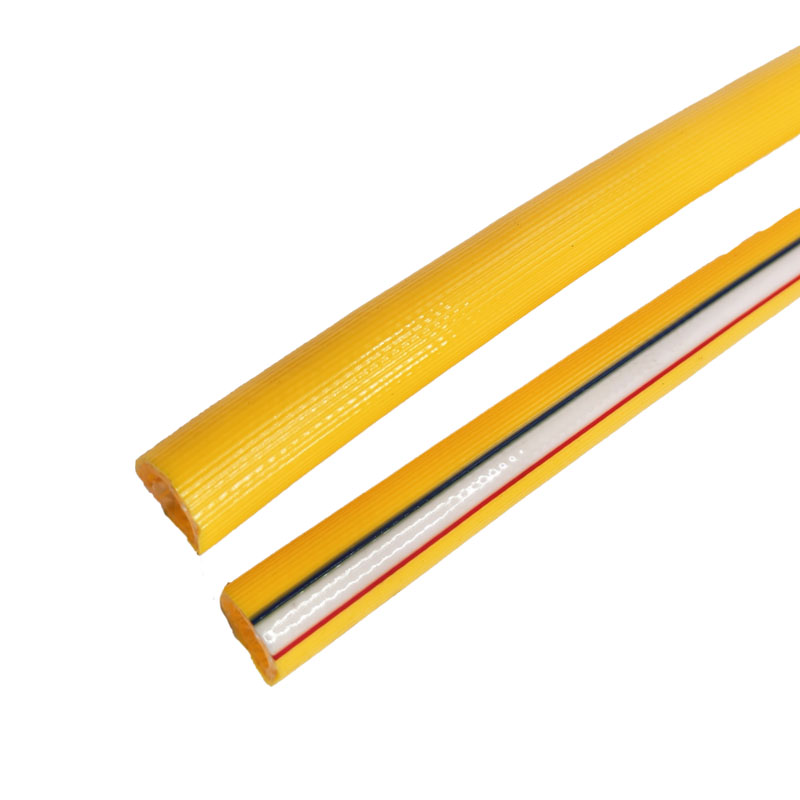
PVC spray hoses are highly flexible, allowing users to easily maneuver the hose around tight corners and obstacles. This flexibility is especially valuable in agricultural spraying and industrial cleaning tasks, where the hose needs to be easily adjusted for optimal spraying coverage.
PVC spray hoses are designed to resist the effects of outdoor weather, including UV damage. This feature makes them ideal for agricultural and industrial use, where the hose may be exposed to prolonged sunlight or harsh weather conditions. The UV-resistant cover prevents the hose from becoming brittle or damaged over time, ensuring it remains functional for years.
PVC spray hoses are resistant to a wide range of chemicals, including pesticides, fertilizers, cleaning agents, and other industrial liquids. This makes them a safe and reliable option for industries where hose exposure to chemicals is common. Their chemical resistance prevents the hose from degrading or reacting with the substances it carries.
PVC spray hoses offer an affordable solution for industries that require durable and reliable fluid transfer hoses. Compared to other materials, PVC is cost-effective, which makes it a great option for businesses looking to balance performance with budget constraints. These hoses offer significant long-term savings due to their durability and reduced maintenance requirements.
PVC spray hoses are designed for longevity, with proper care extending their service life for many years. Their durability reduces the frequency of hose replacements, making them an excellent investment for businesses that rely on high-performance hoses for daily operations. With minimal maintenance, these hoses can perform reliably over time.
PVC spray hoses are designed to prevent leaks, bursts, and other hazards that could compromise safety in industrial or agricultural environments. Their robust construction and ability to withstand high pressure make them a safe choice for fluid transfer. By ensuring that the hose performs reliably, PVC spray hoses help prevent accidents, ensuring a safer working environment.
Regular inspection of PVC spray hoses is crucial for maintaining optimal performance and longevity. Check for signs of wear, cracks, leaks, or kinks that could affect the hose's functionality. Pay attention to the outer cover for abrasions or UV damage, and ensure the reinforcement layer remains intact. Early detection of damage allows for timely repairs or hose replacement, preventing operational disruptions and reducing the risk of failure during critical tasks.
Proper storage of PVC spray hoses when not in use is essential for prolonging their service life. Always store hoses in a cool, dry place, away from direct sunlight, which can degrade the material over time. Avoid exposure to extreme temperatures or harsh chemicals, as these factors can cause the hose to become brittle or lose flexibility. Rolling up the hose loosely and hanging it up or coiling it properly can also help avoid unnecessary bends or pressure points.
Cleaning PVC spray hoses after each use ensures they remain in good working condition. After spraying chemicals or other liquids, flush the hose thoroughly with water to remove any remaining debris or chemicals. This prevents internal buildup that can clog the hose, maintaining proper fluid flow and preventing damage. Proper cleaning also helps maintain the hose's flexibility, prevents the growth of mold or bacteria, and ensures the hose is ready for its next use without compromising its performance.
| Application | Pressure Range | PVC Hose Characteristics | Recommended Use |
|---|---|---|---|
| Agricultural Spraying | 200-600 PSI | Moderate pressure, flexible, UV resistant, and durable for long periods. | Used for spraying pesticides, herbicides, and fertilizers in farms, orchards, and vineyards. |
| Industrial Cleaning | 1,000-3,000 PSI | High pressure resistance, flexible, and capable of handling chemicals. | Ideal for cleaning machinery, surfaces, and large equipment in manufacturing plants, and warehouses. |
| Pest Control | 300-1,000 PSI | Mid-range pressure, resistant to chemicals, easy to maneuver. | Used for spraying insecticides or pest control solutions in residential, commercial, and public areas. |
| High-Pressure Cleaning | 2,000-3,000 PSI | High-pressure resistance, chemical resistant, and easy to handle. | Used for tasks like car washing, pressure washing patios, roofs, sidewalks, and removing stubborn stains. |
| Chemical Liquid Transfer | 500-2,000 PSI | Durable, chemical-resistant, and able to withstand pressure and harsh chemicals. | Suitable for transferring chemicals, industrial liquids, or solutions in manufacturing, laboratories, or production lines. |
| Application | Recommended Hose Length | Recommended Hose Diameter | Description | Recommended Use |
|---|---|---|---|---|
| Agricultural Spraying | 50-300 feet (15-90 meters) | 1/2 inch (12.7 mm) to 3/4 inch (19 mm) | Longer hoses are required for covering large fields or orchards. The diameter should provide optimal fluid flow for spraying. | Used for spraying pesticides, herbicides, and fertilizers over large areas like farms and orchards. |
| Industrial Cleaning | 25-150 feet (7.5-45 meters) | 1/4 inch (6.35 mm) to 1/2 inch (12.7 mm) | Hose length depends on the size of the machinery being cleaned. Diameter should allow for sufficient pressure and cleaning power. | Ideal for cleaning machinery, equipment, and large industrial surfaces in factories and warehouses. |
| Pest Control | 10-100 feet (3-30 meters) | 1/4 inch (6.35 mm) to 1/2 inch (12.7 mm) | Shorter hoses with smaller diameters are best for focused applications like spraying insecticides. | For spraying in residential areas, parks, schools, or commercial buildings to control pests. |
| High-Pressure Cleaning | 25-100 feet (7.5-30 meters) | 3/8 inch (9.5 mm) to 1/2 inch (12.7 mm) | Longer hoses are suitable for cleaning large surfaces or hard-to-reach areas, while the diameter ensures high-pressure efficiency. | Used for tasks like car washing, patio cleaning, or removing dirt from large surfaces such as roofs or sidewalks. |
| Chemical Liquid Transfer | 10-150 feet (3-45 meters) | 1/2 inch (12.7 mm) to 1 inch (25.4 mm) | Hoses for chemical transfer require a larger diameter to allow for smooth fluid movement and prevent clogging. | Suitable for transferring chemicals or solutions in laboratories, production lines, or industrial processes. |
| Special Feature | Description | Ideal Applications | Data/Details |
|---|---|---|---|
| UV Resistance | PVC spray hoses with UV resistance are designed to withstand prolonged exposure to sunlight, preventing degradation and brittleness. | Outdoor agricultural spraying, pest control, and high-pressure cleaning in sunny climates. | UV-resistant coatings ensure the hose remains flexible and functional even after extended exposure to sunlight. |
| Enhanced Chemical Compatibility | Some PVC spray hoses are specifically designed to resist a wide range of chemicals, including herbicides, pesticides, and cleaning agents. | Industrial cleaning, agricultural spraying, and chemical transfer. | Hoses designed for chemical compatibility typically use enhanced PVC formulations that resist corrosion and chemical breakdown. |
| Abrasion Resistance | The outer cover of the PVC hose is designed to resist abrasion, reducing wear from rough surfaces. | Construction sites, mining, and areas with rugged terrains or machinery. | Abrasion-resistant hoses feature an outer layer made from reinforced PVC or other protective materials, ensuring longer service life in tough environments. |
| Heat Resistance | Some PVC spray hoses are specially designed to withstand high temperatures, ensuring reliable performance in hot environments. | High-pressure washing, industrial applications involving hot chemicals or fluids. | Heat-resistant hoses are rated for continuous operating temperatures up to 140°F (60°C) or higher, depending on the material. |
| Flexibility and Lightweight | PVC spray hoses are flexible and lightweight, making them easy to maneuver, store, and handle. | Agricultural spraying, high-pressure cleaning, and pest control. | The flexible design allows for easy handling in tight spaces, while the lightweight feature reduces user fatigue during extended use. |
| Food Grade Compliance | Certain PVC spray hoses are made with food-grade materials, ensuring safe fluid transfer in the food and beverage industry. | Food processing, dairy farming, and beverage production lines. | Food-grade PVC hoses meet industry standards such as FDA or NSF regulations, ensuring no contamination during fluid transfer. |
PVC spray hoses are crucial in industries like agriculture, pest control, and industrial cleaning. Their flexibility, durability, and chemical resistance make them ideal for high-pressure spraying and fluid transfer. Whether for spraying pesticides, cleaning machinery, or transferring chemicals, PVC spray hoses offer a reliable, cost-effective solution. At Qingdao Grantseed Rubber Co., Ltd., we provide high-quality PVC spray hoses designed to meet demanding applications, ensuring long-lasting performance and value for businesses.
A: A PVC spray hose is primarily used for spraying fluids such as pesticides, herbicides, and cleaning chemicals. Its flexibility and durability make it ideal for agricultural and industrial applications.
A: Yes, PVC spray hoses are designed to handle pressures ranging from 200 PSI to 3,000 PSI, making them suitable for high-pressure spraying and cleaning tasks in various industries.
A: PVC spray hoses are commonly used in agriculture for irrigation and spraying, industrial cleaning, pest control, and high-pressure cleaning tasks.
A: PVC spray hoses are cost-effective, durable, and resistant to weather and UV damage. They offer long service life and can withstand demanding environments.
A: To maintain a PVC spray hose, inspect it regularly for wear, store it properly away from sunlight, and clean it after use to prevent chemical buildup and clogging.
A: Yes, PVC spray hoses are resistant to many common chemicals, including pesticides, herbicides, and cleaning agents, making them safe for a wide range of applications.


