

Views: 0 Author: Site Editor Publish Time: 2025-12-25 Origin: Site


Hydraulic hoses play a crucial role in high-pressure systems. The SAE 100 R1 hydraulic hose stands out for its strength and versatility. Reinforced with a single layer of high-tensile braided steel wire, it withstands extreme pressures and tough environments.In this article, we'll explore the key features, applications, and benefits of the R1 hydraulic hose. You will learn why it’s essential for industries like construction, agriculture, and machinery that depend on high-pressure fluid systems.
The R1 hydraulic hose is designed with three critical layers, each serving a unique purpose to ensure the hose's durability, pressure resistance, and overall performance in demanding environments. Below is a table that breaks down each layer's material and its role in the hose's functionality:
| Layer | Material | Purpose |
|---|---|---|
| Tube | Oil-resistant synthetic rubber | Ensures the hose can handle the continuous flow of hydraulic fluids without degradation, maintaining system performance. |
| Reinforcement | Single layer of high-tensile braided steel wire | Provides strength to withstand extreme pressure and stress, ensuring reliability and longevity. |
| Cover | High-quality synthetic rubber | Offers resistance to abrasion, weather, UV radiation, ozone, and cuts, ensuring the hose remains durable in harsh outdoor environments. |
Tip: Always choose hydraulic hoses with a robust construction like the R1 to ensure maximum performance and longevity under high-pressure and harsh environmental conditions.
The construction of R1 hydraulic hoses is specifically designed for both flexibility and durability. The multi-layer build allows for the efficient transfer of hydraulic fluids under high pressure, while the braided steel reinforcement provides the necessary strength to endure these pressures. The outer synthetic rubber layer ensures the hose remains intact and protects against environmental damage, thereby prolonging the hose's service life. When selecting hydraulic hoses, focus on durability and pressure resistance to avoid frequent replacements and costly downtime in your hydraulic systems.
This design makes R1 hydraulic hoses ideal for industries like construction, agriculture, and mining, where machines often operate under pressure in demanding environments.
R1 hydraulic hoses are versatile and widely used in various industries. Their main applications include:
Construction and Industrial Equipment: Hydraulic hoses are a vital part of heavy machinery, including excavators, cranes, forklifts, and drilling rigs. These machines rely on hydraulic systems that require high-pressure hoses for fluid transfer.
Agricultural Machinery: Tractors, plows, harvesters, and other agricultural machinery rely on hydraulic systems to perform tasks such as lifting and power transmission. R1 hydraulic hoses are ideal for these applications due to their high-pressure tolerance and resistance to environmental factors.
Mining Equipment: R1 hydraulic hoses are essential for mining machinery, where high-pressure systems are required to operate equipment such as drills, loaders, and excavation machinery.
R1 hydraulic hoses provide several advantages, especially in high-pressure, heavy-duty environments. These benefits include:
High-Pressure Handling: R1 hydraulic hoses are capable of handling pressure ranging from 575 to 3,250 psi, making them suitable for systems that operate under high pressure. This makes them indispensable for industries requiring high-pressure fluid transmission.
Flexibility: Despite their robust construction, R1 hoses maintain impressive flexibility, allowing them to bend around corners and maneuver through tight spaces. This flexibility makes installation easier and ensures better adaptability in machinery and equipment.
Durability: The reinforced structure of the R1 hydraulic hose ensures long-lasting performance. The high-tensile steel wire braid, combined with the synthetic rubber cover, makes the hose resistant to abrasion, UV damage, and harsh weather conditions. This durability reduces the frequency of replacements and maintenance costs.
Tip: Choose hydraulic hoses based on the pressure requirements of your equipment and the environmental conditions it will operate in to maximize performance and lifespan.
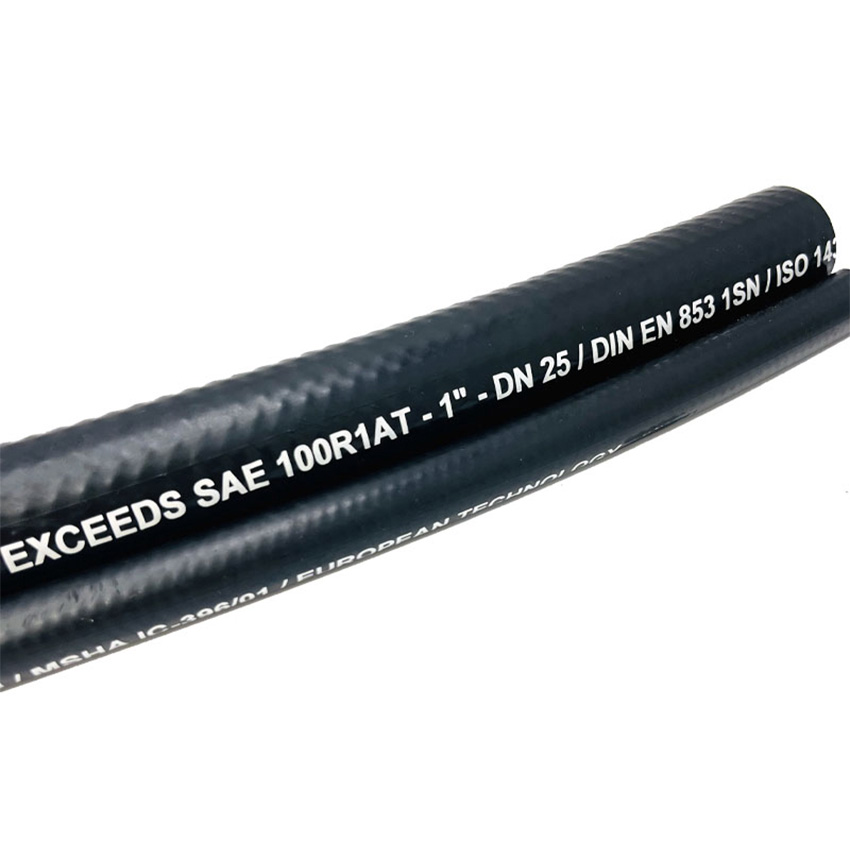
R1 hydraulic hoses are designed to operate efficiently across a wide range of pressures and temperatures:
Pressure Ratings: The R1 hose can withstand pressures ranging from 575 to 3,250 psi, making it suitable for most medium-pressure hydraulic applications. Choosing the correct hose with the appropriate pressure rating ensures optimal performance and safety in hydraulic systems.
Temperature Range: The R1 hydraulic hose operates effectively in temperatures ranging from -40°F to 250°F. This temperature versatility allows it to perform in both freezing and high-heat environments, making it ideal for year-round use.
R1 hydraulic hoses come in various sizes and are compatible with different fluids, ensuring they meet the needs of various hydraulic systems. Below is a detailed table highlighting the key aspects of size options and fluid compatibility:
| Feature | Details |
|---|---|
| Available Sizes | 3/16” to 2” |
| Size Range | Accommodates systems with varying fluid flow requirements |
| Fluid Compatibility | Petroleum-based oils |
| Other Compatible Fluids | Water and synthetic hydraulic fluids |
| Incompatible Fluids | Biodegradable hydraulic fluids, brake fluids |
| Recommended Applications | General industrial, construction, agricultural, and mining systems |
Tip: Select the hose diameter and size that matches your hydraulic system’s flow and pressure needs for maximum efficiency and safety. This ensures optimal performance and reduces the risk of failure.
When selecting the right R1 hydraulic hose for your system, there are several factors to consider:
Pressure Requirements: Make sure the hose can handle the maximum operating pressure of your system. It is always safer to choose a hose with a higher pressure rating than the system’s peak pressure.
Environmental Conditions: The hose should be chosen based on its ability to withstand harsh conditions. If your machinery operates outdoors or in environments exposed to chemicals, UV rays, or extreme temperatures, choose a hose with a durable outer cover.
Fluid Compatibility: Ensure that the hose’s material is compatible with the hydraulic fluid used in your system. Some fluids can deteriorate certain materials, causing premature failure or reduced performance of the hose.
When choosing the correct R1 hydraulic hose, it’s important to match the hose diameter with the flow rate and pressure requirements of your system. Additionally, choose fittings that are compatible with the hose size to avoid leaks or improper connections. Proper sizing and fitting selection are crucial for maintaining system integrity and preventing costly hydraulic failures. Ensuring the right combination will help optimize the performance and longevity of your hydraulic system.
To ensure the longevity of R1 hydraulic hoses, regular maintenance and inspections are required:
Regular Checks for Wear: Inspect the hose for signs of damage such as cracks, bulges, or leaks. Any hose showing significant wear should be replaced immediately to avoid system failure.
Proper Storage: Store hydraulic hoses in a dry, cool area away from sunlight and extreme temperatures. Proper storage prevents the rubber from degrading and prolongs the hose’s lifespan.
Proper Installation: When installing the hydraulic hose, make sure it is properly aligned and avoid kinks or sharp bends, which could cause the hose to weaken over time.
Cleaning and Replacement: Keep the hose clean and free from contaminants. If the hose shows signs of damage, it should be replaced promptly to avoid system failures.
Tip: Regular inspections and maintenance can significantly extend the life of your hydraulic hoses, reducing the need for expensive repairs and downtime.
The R1 hydraulic hose is a highly durable and reliable solution for medium-pressure hydraulic systems. Its robust construction, including an oil-resistant synthetic rubber tube, high-tensile steel wire reinforcement, and weather-resistant outer cover, makes it ideal for various industrial applications. By understanding its construction, applications, and maintenance, you can make informed decisions when selecting the right hose. Proper selection and care will ensure the longevity of your hoses, keeping your equipment efficient and safe. For optimal performance, consider the R1 hydraulic hose from Qingdao Grantseed Rubber Co., Ltd., known for its high-quality materials and excellent service, providing value and reliability in every hose they produce.
A: An R1 hydraulic hose is a high-pressure hose reinforced with a single layer of braided steel wire. It is designed to handle hydraulic fluids in medium-pressure systems, making it ideal for various industrial applications.
A: When selecting an R1 hydraulic hose, match the hose diameter with your system’s flow rate and pressure requirements. Ensure the hose and fittings are compatible to avoid leaks and ensure efficient operation.
A: R1 hydraulic hoses offer durability, flexibility, and high-pressure handling. They are ideal for construction, agriculture, and industrial systems that require reliable fluid transfer under demanding conditions.
A: R1 hydraulic hoses are compatible with petroleum-based oils, water, and synthetic hydraulic fluids. However, they are not recommended for use with biodegradable hydraulic fluids or brake fluids.
A: Choosing a hydraulic hose with high pressure resistance ensures the hose can handle the system's maximum pressure, preventing leaks, failures, and costly downtime in your hydraulic systems.


