
Views: 0 Author: Site Editor Publish Time: 2025-12-22 Origin: Site
Looking for a reliable solution for welding and cutting? Twin Welding Hose is your answer. This versatile tool ensures safe and efficient gas flow for various welding applications. In this article, we’ll explore the primary uses, benefits, and technical considerations of Twin Welding Hose. You’ll learn how it supports your welding tasks and why it's essential in industrial settings.
A twin welding hose is a specialized hose designed to deliver two different gases for welding and cutting tasks. It consists of two separate lines, typically color-coded—one for oxygen and the other for acetylene or another fuel gas. This design allows for the simultaneous transfer of both gases, ensuring a smooth and uninterrupted workflow for welders.
The hoses are usually built to withstand high pressure, wear, and harsh environments, ensuring durability and reliability during operation.
The twin welding hose functions by providing a dedicated line for each gas. Oxygen supports combustion, while acetylene serves as the fuel. These gases mix at the welding torch, creating a high-temperature flame ideal for welding, cutting, or heating metal surfaces. The hose ensures that each gas flows smoothly, allowing the welding process to proceed safely and effectively.
Twin welding hoses are typically made from high-quality materials such as EPDM synthetic rubber, which offers excellent resistance to heat, abrasion, and chemicals. The internal reinforcement is usually made of high-strength synthetic yarn, providing flexibility while maintaining durability. The red hose carries acetylene, while the green hose carries oxygen, which is crucial for safety during use.
Twin welding hoses are most commonly used in oxyacetylene welding. This welding method uses a mixture of oxygen and acetylene to produce a flame hot enough to melt and fuse metals. The twin hose provides a reliable, safe means of delivering both gases to the welding equipment, ensuring consistent performance and a steady flame.
In addition to welding, twin welding hoses are also vital in oxyacetylene cutting. The oxygen supports the combustion of the metal, while acetylene provides the high temperature required for cutting through various materials. This makes the twin welding hose a versatile tool for both welding and cutting operations.
In addition to welding and cutting, twin welding hoses are crucial for heating metal workpieces. The precise regulation of oxygen and fuel gas flow enables uniform heating, which is vital for processes like brazing, hardening, and annealing. These controlled heating processes ensure consistent metal properties, critical for applications requiring specific strength, flexibility, or durability in the finished product.
Twin welding hoses offer versatility across various welding techniques, such as MIG, TIG, and brazing. By simultaneously delivering both oxygen and fuel gases, these hoses ensure optimal flame temperature and composition, improving weld quality. Their adaptability makes them indispensable in industries where different welding methods are used, enhancing efficiency and safety in complex operations.
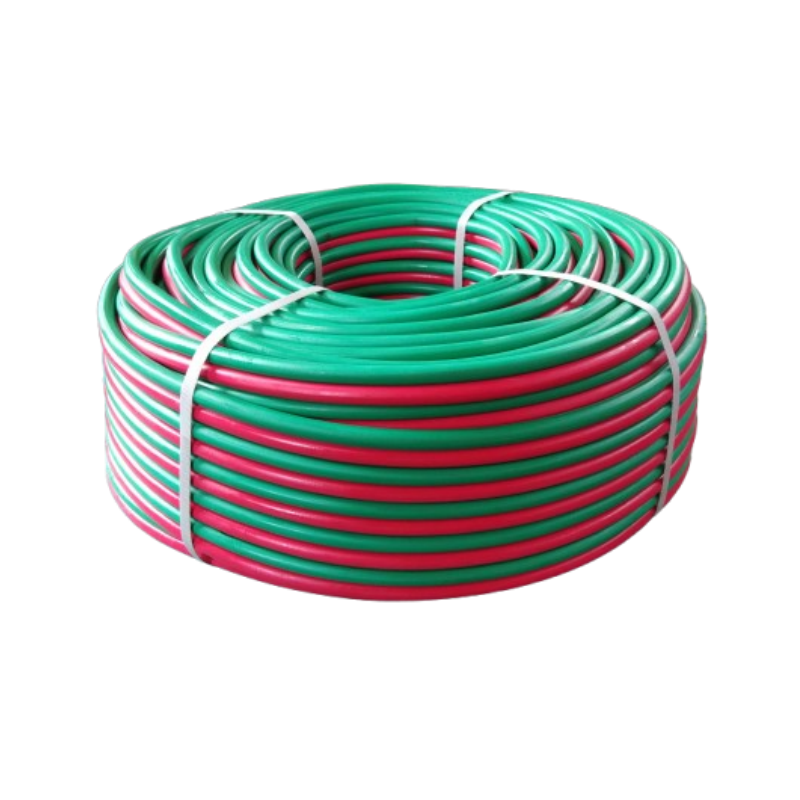
One of the main reasons twin welding hoses are preferred in welding and cutting tasks is their role in ensuring safety. The color-coding of the hoses allows for easy identification of oxygen and acetylene lines, reducing the risk of accidental mixing or improper gas use. Additionally, their durable construction and ability to withstand high pressure make them safer to use in demanding environments.
Twin welding hoses contribute significantly to the efficiency of the welding process. By delivering both oxygen and acetylene simultaneously, they eliminate the need for multiple hoses, reducing setup time and improving overall productivity. This streamlined approach is especially valuable in high-volume welding operations.
The durability of twin welding hoses is unmatched, as they are designed to withstand harsh conditions, including exposure to heat, chemicals, and abrasion. Their flexibility makes them easy to maneuver, ensuring welders can work in tight spaces without compromising safety or performance.
Grade R twin welding hoses are primarily designed for use with acetylene and oxygen. They are affordable and commonly used in general welding applications. However, they are not recommended for use with propane or other fuel gases due to their susceptibility to damage from oils in propane. The hose's lifespan can be shorter when exposed to these gases.
Grade T twin welding hoses are more versatile and can be used with a wider range of gases, including propane, natural gas, and hydrogen. These hoses are more durable than Grade R hoses and resist degradation from oils, making them a better choice for industrial environments. While more expensive, Grade T hoses provide greater safety and longevity, especially when switching between different fuel gases.
When selecting a twin welding hose, it's essential to choose the right grade based on the type of gas you'll be using. If you're working primarily with acetylene and oxygen, Grade R is sufficient. However, if you need a more versatile hose that can handle multiple gases, including propane and natural gas, Grade T is the better option.
| Specification | Details |
|---|---|
| Max Pressure | 300 PSI (pounds per square inch) |
| Temperature Range | -40°F to 120°F (-40°C to 49°C) |
| Performance | Ensures effective operation in both industrial and outdoor welding environments, where high pressures and variable temperatures are common. |
| Hose Diameter | Common Sizes | Length | Details |
|---|---|---|---|
| 1/4 inch | Most common size | Typically 50 feet | Suitable for smaller-scale welding projects |
| 5/16 inch | Mid-range option | Custom lengths | Offers a balance of gas flow and flexibility |
| 3/8 inch | Larger diameter available | Custom lengths | Best for higher gas flow rates and large-scale work |
| Material | Details |
|---|---|
| Reinforcement | High-strength synthetic yarn provides added durability and flexibility, capable of handling pressure and wear in demanding environments. |
| Cover Material | EPDM synthetic rubber, offering resistance to heat, chemicals, and abrasion, ensuring the hose remains safe and reliable over time. |
| Performance | Designed to withstand harsh conditions, maintaining both safety and long-term performance in industrial settings. |
To ensure the longevity of your twin welding hose, store it in a cool, dry location, away from direct sunlight or high-heat sources. UV radiation and excessive heat can cause material degradation, leading to cracks and reduced flexibility. Use hose hangers or reels to keep it off the ground and prevent unnecessary abrasion and tangling.
Perform routine inspections of the twin welding hose to check for wear, leaks, or physical damage like cracks or kinks. Any compromised areas should be immediately repaired or replaced to prevent hazardous situations, such as gas leakage or hose rupture. Inspect the hose before every use to ensure it maintains optimal functionality and safety.
Proper handling and cleaning of the twin welding hose are crucial to its durability. Avoid dragging the hose across abrasive surfaces that could cause cuts or wear. Regularly clean the hose to remove dirt, oil, or chemical residues that could block gas flow or degrade the material, ensuring consistent performance and safety during operation.
Twin welding hoses are essential tools for various welding, cutting, and heating operations. They provide safe and efficient gas flow, ensuring reliable performance in industrial settings. By selecting the right grade, size, and maintaining the hoses properly, you ensure their longevity and effectiveness. Qingdao Grantseed Rubber Co., Ltd. offers high-quality twin welding hoses designed for durability and safety, making them a reliable choice for all your welding needs.
A: A Twin Welding Hose is primarily used to deliver oxygen and fuel gases, such as acetylene, for welding, cutting, and heating metal workpieces. Its dual-line design ensures the safe and efficient flow of both gases simultaneously.
A: A Twin Welding Hose functions by carrying oxygen through one hose and fuel gas through the other. The gases mix at the torch, producing a high-temperature flame for various welding and cutting tasks, ensuring optimal performance.
A: Using a Twin Welding Hose simplifies welding and cutting tasks by delivering both oxygen and fuel gases through a single hose system, improving efficiency, safety, and reducing setup time.
A: Yes, Twin Welding Hoses are designed to work with various gases like acetylene, propane, hydrogen, and natural gas, depending on the hose grade and materials used.
A: Grade R Twin Welding Hose is suitable for acetylene and oxygen, while Grade T is more versatile, handling a broader range of gases like propane, natural gas, and hydrogen, offering improved durability.
A: The lifespan of a Twin Welding Hose depends on the material, usage conditions, and maintenance. Proper storage, routine inspections, and handling can significantly extend its life.
A: Regularly inspect for wear or damage, avoid dragging across rough surfaces, store in a cool, dry place, and clean the hose to ensure optimal performance and longevity.


