
Views: 0 Author: Site Editor Publish Time: 2025-11-05 Origin: Site
Do you know that the lifespan of your sandblast hose can directly impact your productivity and safety? Sandblast hoses are crucial in abrasive blasting operations, enduring high-pressure conditions and harsh environments. However, without proper care, they can wear out quickly, leading to costly repairs.
In this article, we’ll explore effective maintenance tips to extend the life of your sandblast hose. You’ll learn how to improve its performance, reduce downtime, and avoid unnecessary replacement costs.
A sandblast hose is designed to transport abrasive materials, like sand or other grit, mixed with compressed air to the nozzle where it’s directed at a surface. It is built to withstand high-pressure conditions and the abrasive nature of blasting media. Sandblast hoses are critical for achieving the smooth and even surface finishes required in many industries, from manufacturing to shipyards.
The hose is made up of three primary components:
1. Inner Tube: This part is in direct contact with the abrasive materials and must be durable to resist wear. A strong inner tube prevents the hose from degrading prematurely.
2. Reinforcement Layer: This layer strengthens the hose to handle internal pressure and external stress. It is usually made from high-strength fibers or steel wire to maintain the hose's integrity during high-pressure applications.
3. Outer Cover: The outer cover protects against environmental factors such as UV rays, chemicals, and mechanical abrasion. It acts as a barrier to external elements that could otherwise degrade the hose over time.
Sandblast hoses are typically made from durable materials such as NBR (Nitrile Butadiene Rubber), SBR (Styrene-Butadiene Rubber), or PARA rubber. These materials are chosen for their abrasion resistance and ability to perform under high-pressure environments. The right material selection is crucial for ensuring the hose can withstand the harsh conditions it is exposed to.
● NBR: Known for its resistance to petroleum-based substances and abrasives, making it ideal for heavy-duty operations.
● SBR: Ideal for general industrial applications with moderate resistance to wear and abrasives, providing a cost-effective solution.
● PARA Rubber: Offers superior performance and longer lifespan, often used in high-end hoses. Its resistance to wear and tear is excellent for critical applications.
Material | Pros | Cons | Common Applications |
NBR | Excellent abrasion resistance, oil resistance | Less flexible than other materials | Heavy-duty sandblasting, oil-based fluids |
SBR | Cost-effective, moderate wear resistance | Lower performance in extreme conditions | General industrial applications |
PARA Rubber | Superior wear resistance, longer lifespan | More expensive than other materials | Critical applications, high-pressure environments |
Sandblast hoses are subjected to abrasive materials that continuously wear down their inner and outer layers. Several factors contribute to hose degradation:
● Friction: Constant rubbing between the abrasive material and the hose leads to gradual erosion. Over time, this friction compromises the hose’s structural integrity.
● Pressure Fluctuations: Inconsistent pressure can cause additional strain on the hose, accelerating wear. The hose is designed to withstand specific pressure levels, and exceeding or under-maintaining that pressure can lead to premature failure.
● External Abrasion: Contact with rough surfaces or objects can damage the hose's outer layer. If not addressed, this can compromise its ability to protect the inner tube and reinforcement layer.
Understanding these factors helps in taking proactive steps to minimize wear and extend hose life. Regular maintenance and careful handling are essential to reduce these common wear mechanisms.
The internal diameter (ID) of your sandblast hose plays a crucial role in ensuring optimal performance. The hose size should be matched to the nozzle size to prevent excessive pressure loss and to maintain consistent flow. Proper sizing also ensures that the hose can withstand the pressure exerted by the abrasive media without risk of failure.
● Correct Size: A hose that is too small increases resistance, leading to higher friction and potential wear. It also reduces the flow of the abrasive media, making the blasting process less efficient.
● Optimal Size: Ensure the hose ID is at least 3-4 times the nozzle’s diameter for balanced airflow and minimal friction. This sizing minimizes pressure loss and maximizes the efficiency of the sandblasting process.
Using a hose that’s too small can lead to increased friction, slower material flow, and reduced efficiency. This not only wears out the hose faster but also hampers blasting performance, leading to inconsistent surface finishes and lower productivity. Additionally, when hoses are too large, they may increase the cost of materials and reduce operational flexibility.
● Example: Using a hose that’s too narrow for a large nozzle will cause a drop in pressure, resulting in slower blasting speed and a rougher finish. It also places unnecessary strain on the compressor, which can result in higher energy costs.
Pressure is another important factor in maintaining hose integrity. Ensure that your hose is rated for the specific pressure needs of your operation. Excessive pressure can lead to premature hose failure, while insufficient pressure can result in poor blasting performance and an uneven surface finish.Consistent pressure within the hose ensures an even distribution of abrasive materials and a more efficient sandblasting process. Over time, maintaining the correct pressure reduces wear and tear, contributing to the longevity of the hose.
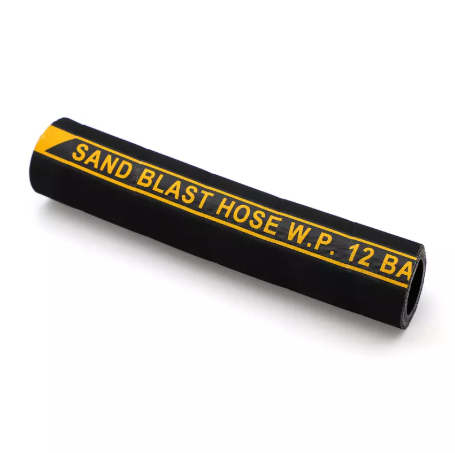
Performing daily visual inspections is essential for spotting early signs of wear. Look for cracks, bulges, or abrasions that could indicate internal damage. Catching these issues early can prevent larger, more expensive problems later. Small cracks or wear in the outer layer may indicate that the hose has been subjected to excessive stress or friction.
Regularly check the hose's pressure capacity to ensure it maintains optimal pressure without significant loss. You can do this by comparing the pressure at the compressor and the nozzle to ensure they match the required performance levels. If the pressure is too low, it may be a sign that the hose is clogged or damaged, affecting the blasting operation's efficiency.
Early wear signs include reduced flexibility, discoloration, or visible external damage. If you notice any of these, consider replacing or repairing the hose immediately to prevent further damage. In some cases, small signs of wear can be repaired, saving you from needing to replace the entire hose.
Task | Frequency | Description |
Visual Inspection | Daily before use | Check for cracks, bulges, or visible wear. |
Pressure Testing | Weekly | Compare pressure at the compressor and nozzle. |
Cleaning and Rinsing | After each use | Rinse to remove abrasive particles and moisture. |
Lubrication | Monthly | Apply lubricant to reduce friction and wear. |
Hose Replacement Check | Every 6 months | Inspect hose for early signs of wear and replace if needed. |
Proper storage is key to preventing unnecessary wear. Store hoses in a cool, dry place, away from direct sunlight, extreme temperatures, and chemicals that could degrade the material. Rolling hoses into coils and storing them off the ground will help preserve their shape and prevent kinks. Storing hoses correctly also prevents damage caused by environmental factors such as UV rays or exposure to harsh chemicals.
Kinks and twists in the hose lead to internal pressure points that can weaken the hose and reduce its lifespan. Always coil hoses loosely and avoid sharp bends during storage or use. Hoses that are stored properly are less likely to develop internal damage and can maintain their flexibility and strength over time.
While in use, avoid dragging hoses across rough surfaces or stepping on them. Use hose reels or hangers to manage the hose length and reduce stress on the hose material. It’s also important to move the hose carefully during work to avoid creating bends or sharp angles that can damage it.
After each sandblasting session, rinse the hose thoroughly to remove abrasive particles and moisture. This prevents material buildup that could wear down the internal tube. Clean hoses regularly to maintain flow efficiency. Moisture buildup can also lead to corrosion or mold growth, so it's important to fully dry the hose before storing it.
Using a lubricant on the hose can minimize friction between the inner layer and abrasive materials. This reduces wear and helps the hose retain its flexibility, prolonging its life. Lubrication also helps maintain a smooth surface inside the hose, which ensures a steady flow of materials.
If part of the hose shows significant wear, consider replacing only that section instead of the entire hose. This is a cost-effective way to extend the overall life of the hose while maintaining the performance of the system.
Hose safety cables are essential for preventing damage from accidental hose whip or sudden bursts. Ensure cables are securely fastened and aligned straight to reduce hose movement. Using these cables can also prevent the hose from tangling or getting caught on obstacles.
Adding external covers or protective wraps can shield the hose from external abrasion and environmental factors like UV rays and chemicals. These covers can significantly reduce wear and tear, extending the hose's lifespan. Protective covers also prevent physical damage from impacts or abrasions.
Protective gear, such as gloves and boots, can reduce the impact of abrasives on both operators and hoses. Proper safety gear helps prevent mishaps that could lead to damage or personal injury, ensuring that both the hose and operators remain safe during operation.
A hose that shows visible signs of severe wear, cracks, or damage should be replaced immediately. Delaying replacement can lead to safety risks and decreased blasting efficiency. Regularly replacing worn-out hoses is a crucial part of maintaining safety and productivity.
For high-pressure or harsh environments, consider upgrading to multi-ply hoses or those made with more durable materials, such as PARA rubber, which offers longer-lasting performance. Upgrading to more durable hoses can help reduce maintenance costs over time.
Investing in a high-quality hose may seem costly upfront, but it can significantly reduce long-term operational costs by reducing replacements and downtime. High-quality hoses offer better durability and performance, ensuring a reliable blasting system over time.
Proper inspections, correct sizing, careful storage, and regular cleaning are essential for prolonging the life of your sandblast hose. Routine maintenance helps avoid unnecessary repairs, ensuring smooth operations and reducing long-term costs. Regular upgrades and proactive care also enhance safety.Maintaining your sandblast hose ensures better performance, increased safety, and long-term cost savings. By following these tips, you can improve the efficiency and reliability of your blasting system. It also reduces the risk of unexpected failures and costly repairs.
Qingdao Grantseed Rubber Co., Ltd offers high-quality sandblast hoses designed for durability and performance. With innovative features, they provide excellent resistance to wear and high-pressure conditions, ensuring long-term reliability for your sandblasting needs.
A: A sandblast hose is a durable hose designed to transport abrasive materials mixed with compressed air to the nozzle for blasting applications. It’s essential for achieving smooth surface finishes.
A: Regular inspections, correct sizing, proper storage, and cleaning after use can significantly extend the life of your sandblast hose. Lubrication and timely replacements also help prevent wear.
A: Proper sizing ensures minimal pressure loss and reduces friction, which helps prolong the lifespan of the sandblast hose. A hose that’s too small increases wear, reducing its efficiency.
A: Regular cleaning, pressure testing, visual inspections for cracks, and correct storage are key maintenance practices. Additionally, lubrication helps reduce internal friction.
A: If your sandblast hose shows cracks, bulges, or severe wear, it’s time to replace it. Neglecting these signs can cause hose failure during use, leading to inefficiency and safety risks.


