Views: 0 Author: Site Editor Publish Time: 2026-10-16 Origin: Site
Hydraulic hoses transfer pressurized fluid in construction equipment, agricultural machinery, industrial systems, and other hydraulic applications. When a hose fails, it can cause fluid leaks, equipment downtime, maintenance costs, and potential safety risks.
Understanding the common causes of hydraulic hose failure helps equipment operators, maintenance teams, and OEMs make better decisions about hose selection, installation, and replacement.
This guide explains eight common causes of hose failure and practical ways to reduce the risk.
Table of Contents
Hydraulic hoses may rub against machine frames, sharp edges, other hoses, or moving components. Repeated friction wears down the outer cover and may expose the reinforcement layer.
Common warning signs include:
Scuffed, scraped, or worn areas
Cuts or cracks in the outer cover
Exposed reinforcement wires or textile layers
Damage around clamps, brackets, or contact points
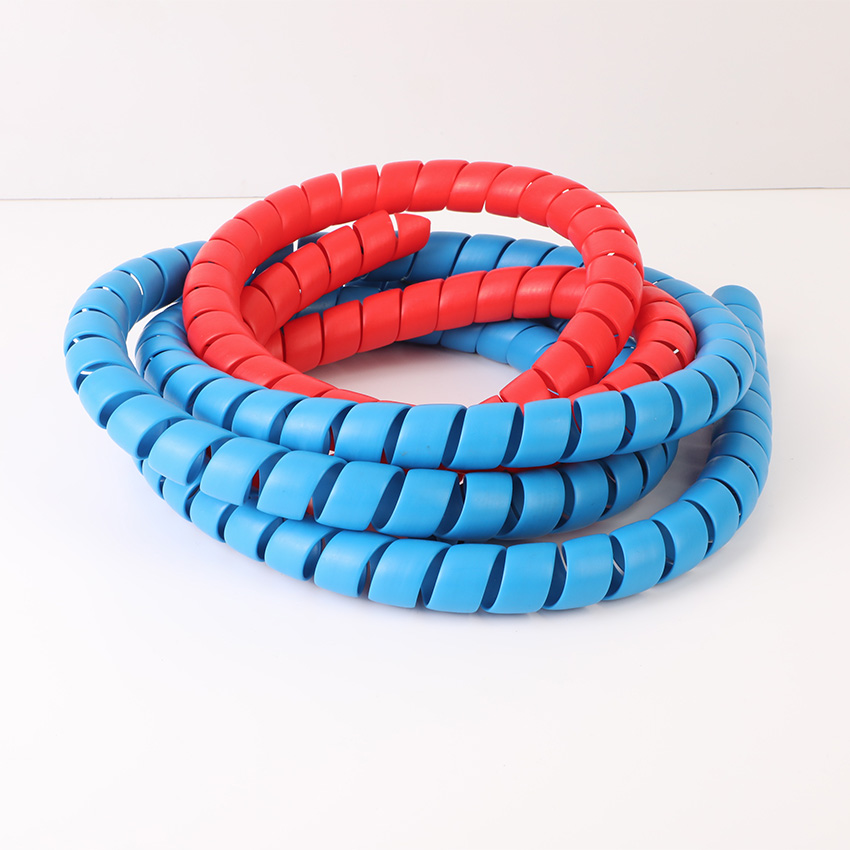
Route hoses away from sharp edges and moving parts. Use suitable clamps and guides to prevent unnecessary movement. Where contact cannot be avoided, consider a compatible protective sleeve or hose guard.
Inspect areas exposed to vibration and repeated movement more frequently. Replace hoses with exposed reinforcement or serious cover damage according to the equipment manufacturer's safety procedures.
For additional protection options, see GSD Rubber's hose protection products.
Incorrect installation can place excessive stress on a hose assembly. Common mistakes include:
Choosing a hose that is too short or too long
Twisting the hose during installation
Bending the hose below its specified minimum bend radius
Using incompatible hose ends or fittings
Incorrectly tightening connections
Routing hoses too close to hot or moving components
A hose that is too short may remain under tension. Excess length can increase the risk of abrasion, snagging, or interference with moving parts.
Confirm the hose size, working pressure, fluid compatibility, temperature range, and fitting specifications before installation. Follow the hose and fitting manufacturer's assembly instructions and specified tightening requirements.
Keep the hose free from twisting and avoid sharp bends near fittings. After installation, check that the hose has enough clearance for expected machine movement without rubbing or stretching.
Every hydraulic hose has a specified maximum working pressure. Operating above that rating can damage the hose and cause leakage or rupture.
Pressure spikes may occur when valves close quickly, pumps start or stop, or equipment changes operating conditions. Repeated pressure fluctuations can accelerate fatigue even when normal operating pressure appears acceptable.
Select a hose assembly rated for the system's maximum operating pressure and applicable pressure surges. Check the pressure ratings of the hose, fittings, and other connected components.
Use pressure gauges or sensors to investigate abnormal pressure behavior. Depending on the system design, correctly selected and maintained pressure relief valves or accumulators may help control pressure fluctuations.
Do not select a hose based only on its burst pressure. Use the manufacturer's rated working pressure and the applicable system requirements.
Hydraulic hose materials must be compatible with the fluids they carry and the chemicals they may contact externally. Incompatible fluids, cleaning agents, solvents, or environmental chemicals may cause swelling, softening, cracking, or other material changes.
Contaminated hydraulic fluid can also damage system components and contribute to wear. Dirt introduced during hose replacement may affect the wider hydraulic circuit.
Check the hose manufacturer's compatibility information for the specific fluid, concentration, and operating temperature. Do not assume that all rubber compounds are suitable for every hydraulic fluid.
Keep hose ends sealed during storage and installation. Use clean components, suitable filtration, and the fluid-handling procedures recommended for the equipment. Flush the system when required by the maintenance instructions.
High operating temperatures can accelerate hose aging and affect the properties of the inner tube, reinforcement, and outer cover. Nearby engines, exhaust systems, and other hot components may expose hoses to additional heat.
Very low temperatures can make some hose materials less flexible. Bending a cold hose beyond its permitted limits may increase the risk of damage.
Choose a hose rated for the actual fluid temperature and surrounding environment. Check the manufacturer's specified temperature range for the selected hose and fluid.
Route hoses away from heat sources where possible. Use suitable heat shields or protective sleeves when the application requires them. Follow the manufacturer's handling instructions when installing or moving hoses in cold conditions.
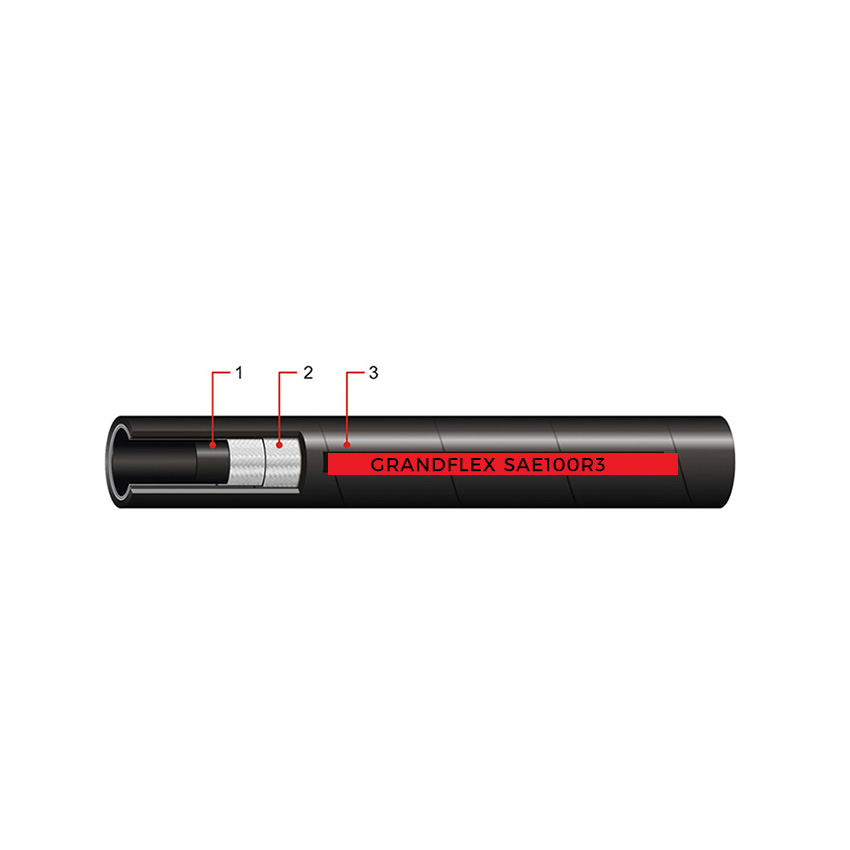
For product specifications and available hose types, visit the GSD Rubber hydraulic hose range.
Each hydraulic hose has a specified minimum bend radius. Bending it more tightly than permitted can place excessive stress on its reinforcement and restrict fluid flow.
Twisting can also create uneven stress within the hose assembly. In applications with repeated movement, an unsuitable hose length or routing path may accelerate fatigue.
Check the minimum bend radius for the exact hose type and size. Align fittings correctly and route the hose to accommodate expected machine movement.
Avoid tight bends near fittings and clamps. Where rotation or repeated movement is expected, select a hose assembly and connection arrangement designed for those conditions.
Inspect bends and connection points for flattening, kinks, cracks, or signs of leakage.
Hydraulic hoses can age due to temperature, environmental exposure, fluid compatibility issues, and repeated pressure cycles. The rate of deterioration depends on the hose construction and operating conditions.
A hose may appear acceptable externally while internal deterioration is developing. For this reason, appearance alone cannot establish that a hose remains safe for service.
Follow the manufacturer's inspection and replacement recommendations. Consider operating hours, pressure cycles, temperature, installation conditions, and the hose's service history.
Keep records of installation dates, inspection findings, and replacements. Replace hoses that show damage or have reached an applicable service-life limit. Do not wait for a leak or burst before addressing a known problem.
Irregular inspections, poor storage, dirty connections, and rough handling can increase the risk of hose damage. Hoses may also deteriorate when exposed to direct sunlight, unsuitable temperatures, chemicals, or excessive loads during storage.
Establish an inspection schedule based on the equipment manufacturer's recommendations and the severity of the application.
During inspections, look for:
Abrasion, cuts, cracks, or exposed reinforcement
Leaks, bulges, or changes in hose shape
Loose or damaged fittings
Kinks, twists, and excessive bending
Contact with hot surfaces or moving components
Store hoses in a clean, dry location within the manufacturer's recommended storage conditions. Avoid sharp bends, heavy loads, and exposure to incompatible chemicals. Keep hose ends capped to prevent contamination.
Never use your hands to search for a hydraulic fluid leak while a system is pressurized. High-pressure fluid can penetrate the skin and cause serious injury. Follow the equipment's isolation and depressurization procedures before inspection or repair.
A consistent inspection process can help identify damage before it leads to an unexpected shutdown.
Inspection area | What to check |
|---|---|
Outer cover | Abrasion, cuts, cracks, or exposed reinforcement |
Hose routing | Sharp bends, twisting, tension, or contact with moving parts |
Connections | Leaks, damaged fittings, or loose connections |
Operating conditions | Pressure and temperature within specified limits |
Fluid compatibility | Correct fluid type and suitable hose materials |
Service history | Installation date, previous damage, and replacement records |
If a hose shows signs of serious damage, remove the equipment from service when required by the safety procedure. Replace the affected assembly with a compatible hose and fittings. Do not attempt to tighten or inspect a pressurized leaking connection.
Preventing hydraulic hose failure starts with selecting a hose that matches the application. Before purchasing, confirm the following:
Working pressure: Check the system's maximum operating pressure and possible surges.
Fluid compatibility: Confirm that the inner tube is suitable for the hydraulic fluid.
Temperature range: Consider both fluid temperature and the surrounding environment.
Size and routing: Check the inside diameter, hose length, and minimum bend radius.
Reinforcement and cover: Choose a construction suitable for the pressure, movement, and external exposure involved.
Fittings and standards: Confirm compatibility with the assembly design and applicable requirements.
GSD Rubber supplies a range of hydraulic hose products for different applications. Review the hydraulic hose product range and the technical support page for product information.
Hydraulic hose failure can result from abrasion, installation errors, excessive pressure, chemical incompatibility, temperature extremes, improper bending, aging, and poor maintenance.
Reducing these risks requires correct hose selection, careful routing, compatible fittings, pressure control, and regular inspection. Replace damaged hoses according to the equipment manufacturer's safety procedures rather than waiting for a leak or burst.
To compare hose options for your application, explore GSD Rubber's hydraulic hose products or contact the team for product information.
Common causes include abrasion, incorrect installation, excessive pressure, chemical incompatibility, temperature extremes, tight bends, aging, and poor maintenance.
Look for leaks, bulges, cracks, cuts, exposed reinforcement, kinks, or damaged fittings. Remove seriously damaged hoses from service according to the equipment's safety procedures.
Yes. Operating above the hose's rated working pressure or experiencing pressure spikes can cause leakage or rupture. Check the ratings of the complete hose assembly and the system's pressure behavior.
Incorrect routing can cause abrasion, twisting, excessive bending, and tension at the fittings. Maintain the specified minimum bend radius and allow for expected machine movement.
Replace a hose when it shows damage or reaches a replacement limit specified by the manufacturer or applicable requirements. Consider operating conditions, inspection results, and service history.